The Cerberus Heat Wave Reveals the Striking Dimensions of the Global Warming Crisis
It is time to think about the long-term effects of such extreme weather conditions as Europe battles the extraordinary Cerberus heatwave.
Jul 16, 2023
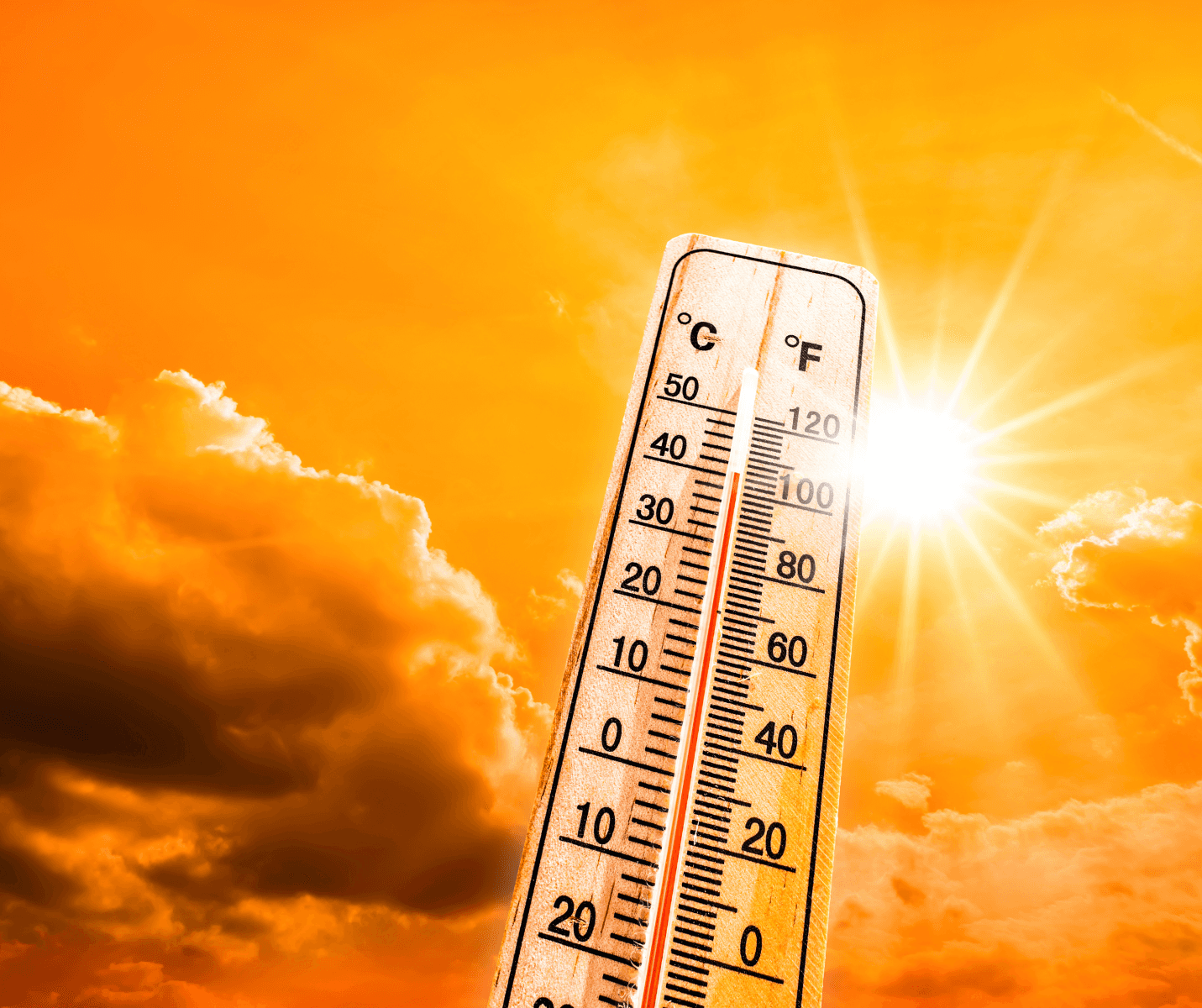
As Europe battles the extraordinary Cerberus heatwave, it is time to reflect on the long-term effects of such extreme weather conditions. We must acknowledge that this heatwave is a clear sign of the growing global climate crisis and not just a one-off event.
The Cerberus heatwave, named after the three-headed dog that guards Hades' underworld in Greek mythology, stands before us as a symbol of the triple threat we face: rising temperatures, the increasing frequency of extreme weather events, and the domino effect this has on our environment, societies, and health.
Cerberus poses a serious threat to global health, food security, and water resources by pushing temperatures to levels we have never seen before. According to the IPCC's Sixth Assessment Report, the frequency and intensity of temperature extremes, including heatwaves, have increased globally since 1950, and it is almost certain that this trend will continue. Heatwaves strongly increase as a function of global warming, with even a "small" degree of additional global warming of +0.5°C potentially leading to changes that will affect all aspects of life. This means that even slight increases in global temperatures can have significant effects on the frequency and intensity of heatwaves.
The Cerberus heatwave serves as a wake-up call that there is an urgent need for a strong plan to adapt to and withstand climate events. Therefore, it is clear that we need to reassess our strategies for sustainable living. This involves not only reducing emissions but also ensuring a fundamental transformation of our energy systems, repairing damaged ecosystems, and reevaluating our connection with nature to avoid further harm, as well as empowering our communities and increasing their resilience.