


Turkiye's First Soil Carbon Project Comes to Life in Tekirdağ
Life Climate is launching Turkiye's first soil carbon project developed within the scope of the voluntary carbon market in Tekirdağ.
Turkiye's First Soil Carbon Project Comes to Life in Tekirdağ
Life Climate is launching Turkiye's first soil carbon project, developed within the scope of the voluntary carbon market, in Tekirdağ. Conducted in cooperation with the Tekirdağ Önder Farmer Cooperative, the project aims to increase the carbon sequestration capacity of agricultural soils.
What is a soil carbon project?
A soil carbon project is a carbon project that measures, verifies, and certifies the carbon drawn from the atmosphere and stored in the soil for longer periods of time through improved soil management techniques applied to agricultural lands. The resulting carbon benefit can be traded in the voluntary carbon market.
With whom is the project being carried out?
The project is carried out in the field together with the implementation partner, Tekirdağ Önder Farmer Cooperative. As the project developer, Life Climate coordinates the certification process and technical implementation.
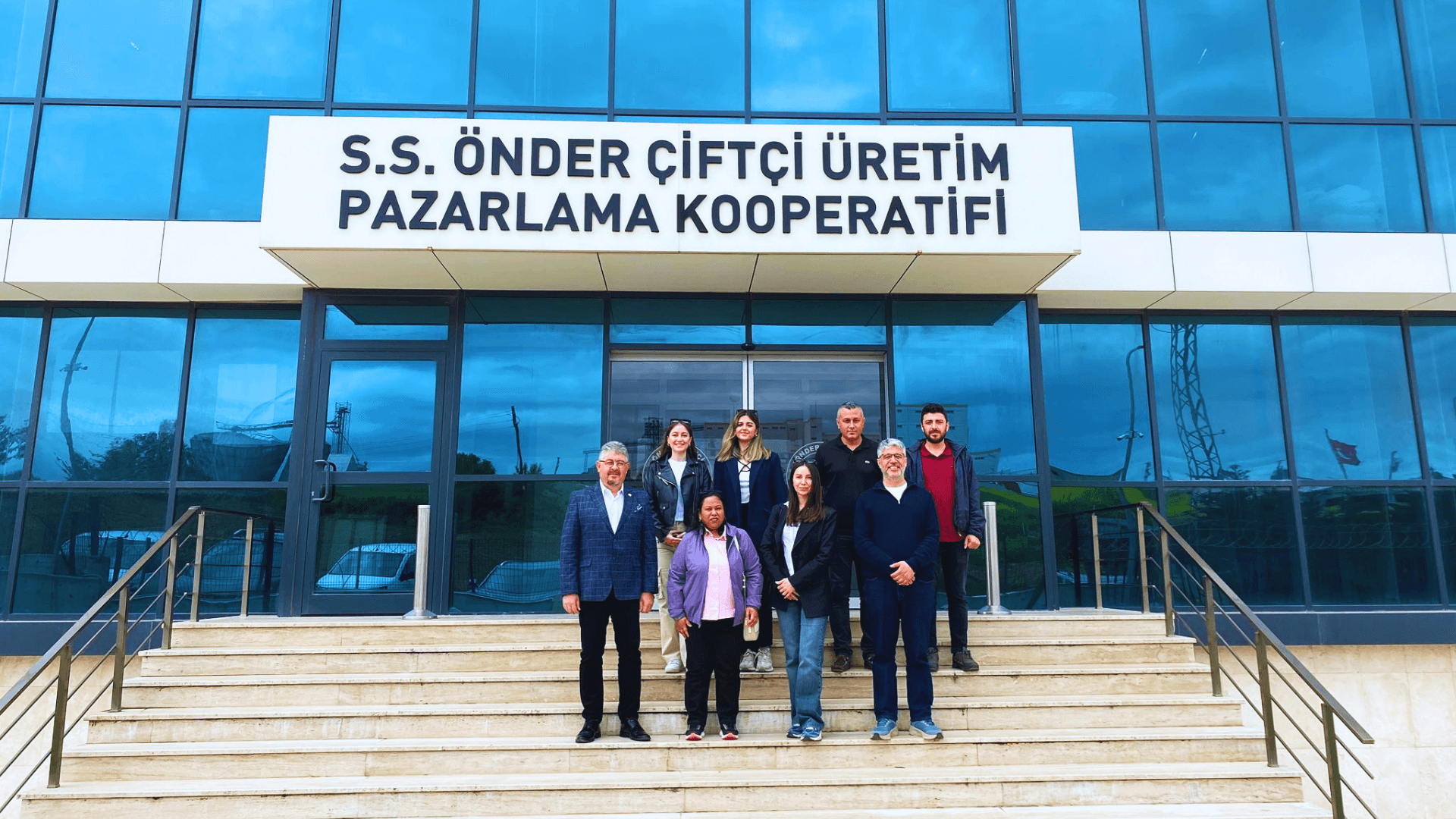
Turkiye's first soil carbon project team, Life Climate, Tekirdağ Önder Farmer Cooperative, Earthood
A process in line with international standards
The project is being developed under the Verified Carbon Standard (VCS) of the international carbon certification system VERRA, using the VM0042 methodology (v2.2) for Improved Agricultural Land Management. The project was also designed to be CCP-Eligible and compliant with CORSIA within the framework of the Integrity Council for the Voluntary Carbon Market (ICVCM); thus meeting internationally accepted quality and aviation sector requirements.
The independent verification process of the project is conducted by the accredited validation and verification body (VVB) Earthood.
Why is soil so important?
Soils are among the largest carbon storage areas in the fight against climate change. According to scientific data, there is approximately 1.5 trillion tons of organic carbon in soils worldwide. Experts state that through improved management techniques to be applied on agricultural lands, an emission reduction of approximately 2.3 billion tons of carbon dioxide equivalent per year can be achieved.
Which agricultural practices are being implemented?
The project aims to replace traditional methods with techniques that strengthen soil health and increase the amount of organic matter:
Stubble sowing / reduced tillage (direct sowing): Preserving organic matter by sowing without disturbing the soil.
Reduction of soil tillage: Preventing erosion and carbon loss.
Optimizing fertilizer use: Supporting the soil structure while lowering input costs.
Current status of the project
Validation field audits have been completed.
The registration process is expected to be finalized within the next year.
Following registration, a long-term and comprehensive monitoring period will begin to measure carbon sequestration in agricultural soils.
"An important start for carbon farming"
Life Climate Managing Partner Ramazan Aslan states that the project will yield significant results not only environmentally but also economically:
"Soil carbon projects offer an important area of transformation that merges the fight against climate change with agricultural production. While soil health is strengthened with the climate-friendly methods implemented by our farmers, we aim to support the long-term sustainability of these practices by certifying the resulting carbon benefits. We believe that the first soil carbon project developed in Turkiye is an important beginning for the widespread adoption of carbon farming."
Goal: From Thrace to the whole of Turkiye
The primary goals of the project include increasing the carbon sequestration capacity of agricultural lands, contributing to long-term food security, and expanding the practice to different agricultural basins of Turkiye, starting from Tekirdağ and the Thrace region.
As Life Climate, we prioritize soil health as a fundamental asset and aim for a transition to a more sustainable agricultural model. With the technical framework we have established in Tekirdağ, we aim to present a model where regenerative practices such as stubble sowing and reduced tillage can be scaled across Turkiye.
In the press: Farmers will be able to earn income from the carbon market — Ekonomist
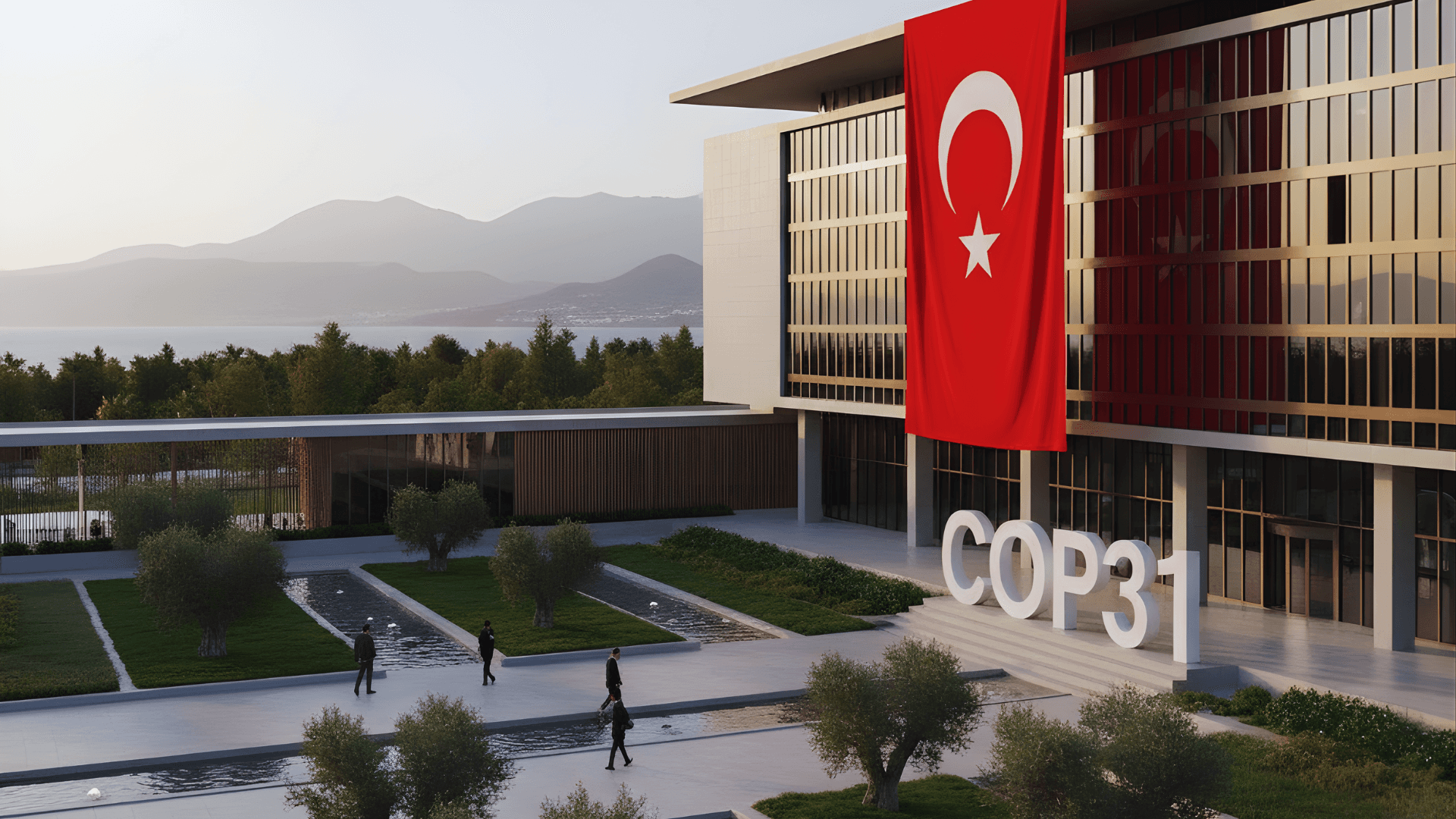
Turkiye's Hosting and Presidency Authority of COP31
Turkiye became the host country for the 31st Conference of the Parties to the United Nations Framework Convention on Climate Change (UNFCCC) (COP31) in 2026.
Read More
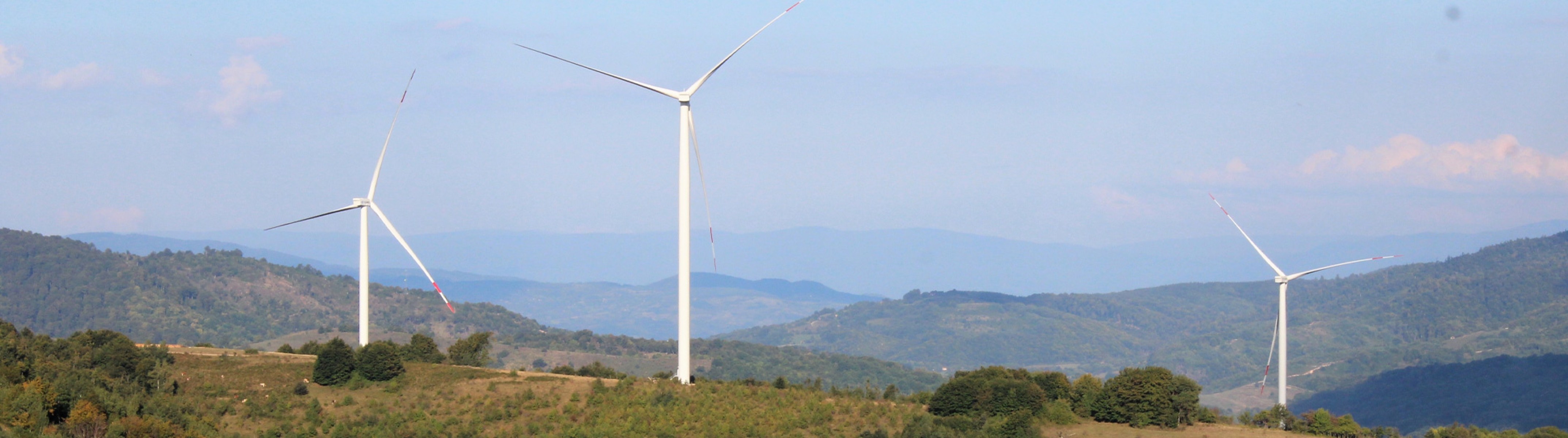
Kitka Wind Power Plant
Efforts have also been initiated to certify the greenhouse gas emission reductions made and to be made during the production activity of the Kitka Wind Energy Plant project under the International Carbon Registry (ICR).
Read More
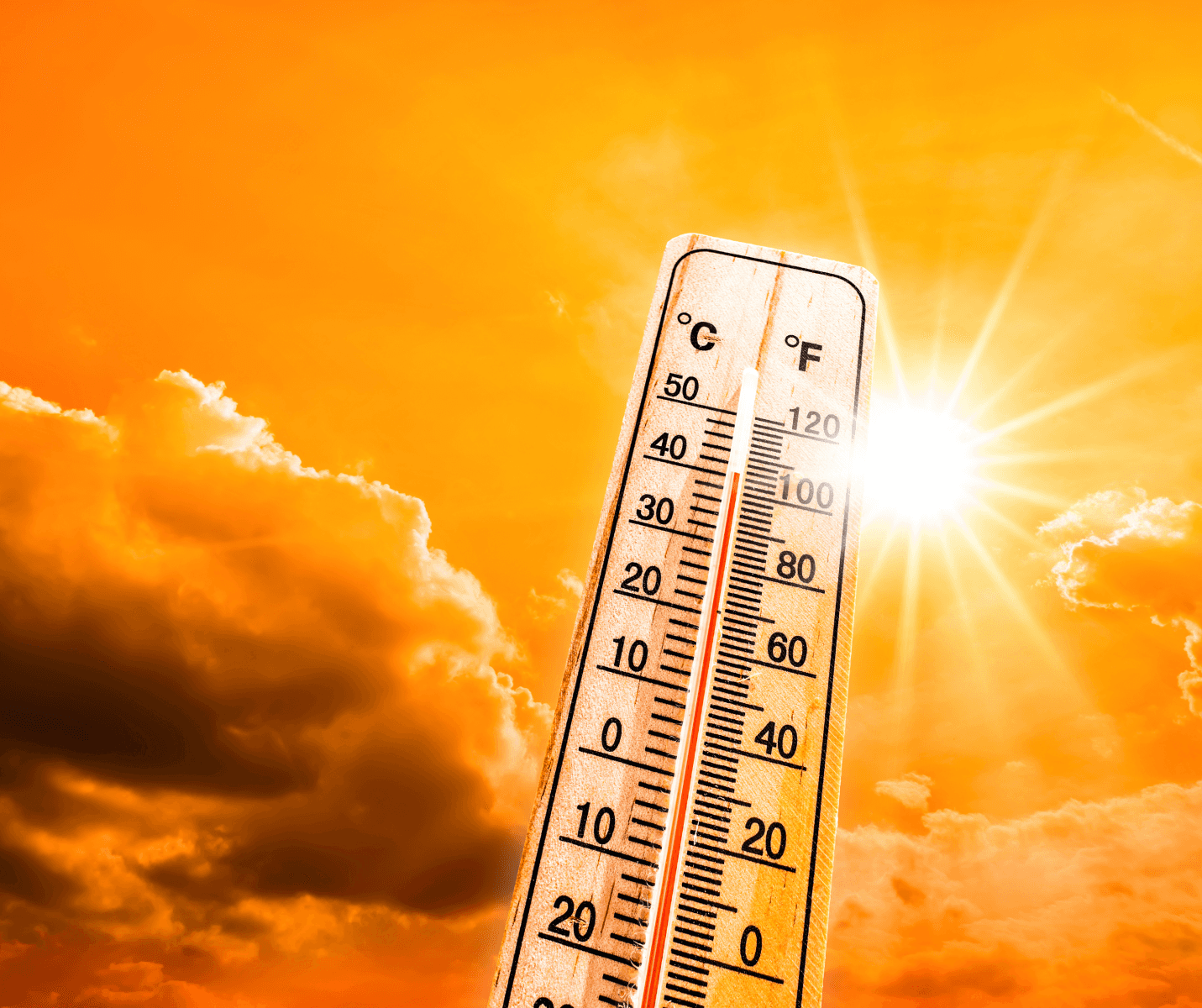
The Cerberus Heat Wave Reveals the Striking Dimensions of the Global Warming Crisis
It is time to think about the long-term effects of such extreme weather conditions as Europe battles the extraordinary Cerberus heatwave.
Read More


